
12 lovely things to do in Salisbury, the cathedral city near Stonehenge
Salisbury, Wiltshire is one of those English cities that feels made for a cosy break: a cathedral spire that dominates the skyline for miles, medieval streets that still follow their 13th-century grid, an original Magna Carta, and enough nearby history (including the iconic Stonehenge) to fill several more days if you let it.
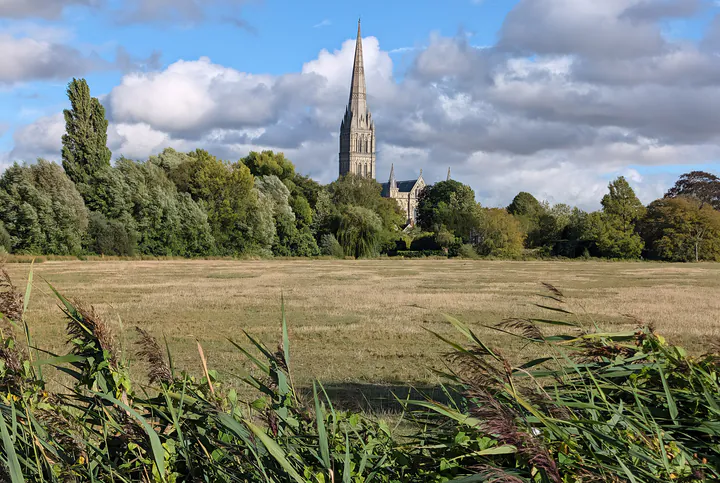
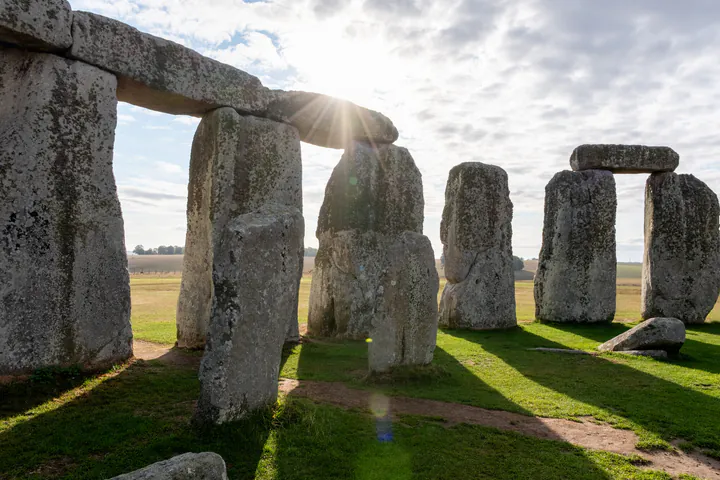
Like a lot of people who visit Salisbury, I was in the area to visit Stonehenge (we did the Stonehenge inner circle tour which I highly recommend!). I wasn’t expecting to fall in love with Salisbury, but the area around the cathedral, the lovely historic streets and most of all the gorgeous water meadows all make Salisbury one of my favourite discoveries this year.
SHOULD YOU GO?
Is visiting Salisbury worth it?
Salisbury is worth visiting to see the historic centre, Magna Carta and the cathedral’s spire – at 123 metres, it’s the tallest in England. If you’re planning to visit Stonehenge, it’s worth setting a day aside to visit Salisbury as well.
Contents
About Salisbury
- Salisbury’s beautiful cathedral has a magnificent spire which is the tallest in England
- Salisbury is home to one of only four surviving original copies of the 1215 Magna Carta; it’s on permanent display in the Chapter House of Salisbury Cathedral
- Salisbury’s Charter Market has been held in the Market Place since 1227, making it one of the oldest markets in Britain
- Stonehenge is only about 9.5 miles (15 km) away, making Salisbury one of the best bases for visiting it; buses run regularly to the site
- The water meadows which surround the historic city centre are gorgeous and full of wildlife
The best things to do in Salisbury
1. Visit Salisbury Cathedral
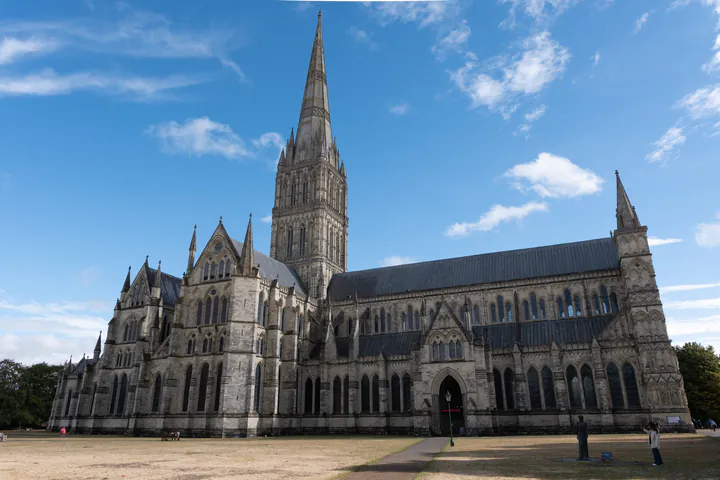
You really can’t miss this one – literally! Salisbury Cathedral‘s 123-metre-tall spire is visible from the surrounding countryside long before you reach the city, and it’s been the tallest in England since the spires of Lincoln Cathedral and Old St Paul’s came down in the 16th century, leaving Salisbury as the record holder.
There are lots of interesting things to see in Salisbury Cathedral, so make sure you give yourself plenty of time.
See the Magna Carta
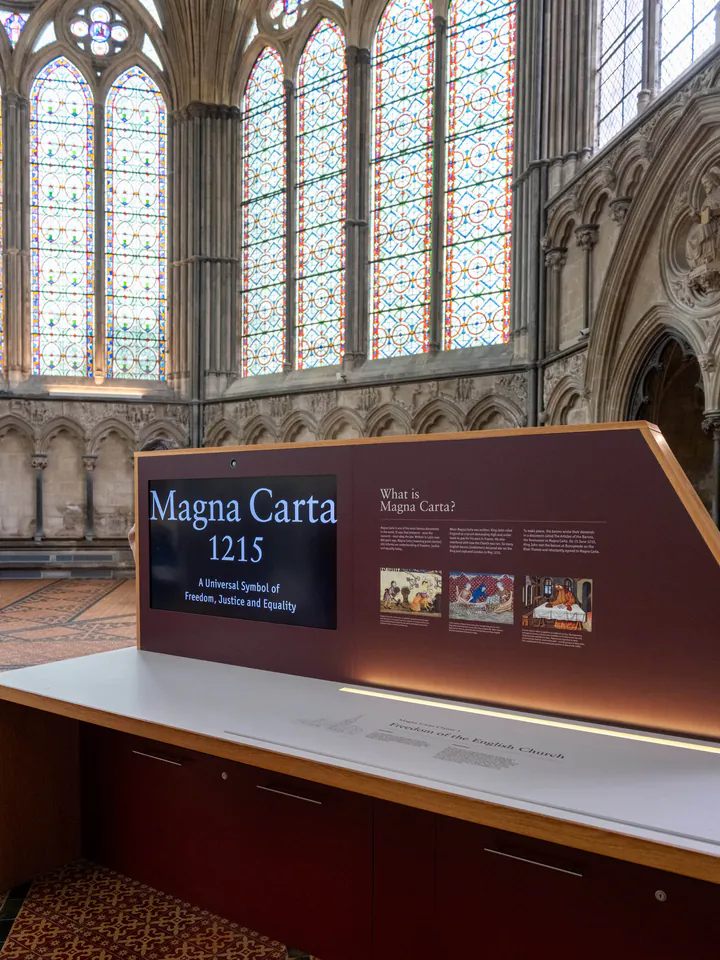
Head for the Chapter House to see Salisbury’s copy of the 1215 Magna Carta, one of only four surviving originals and the best-preserved of them all. It was agreed by King John on 15 June 1215 at Runnymede as a peace deal with rebellious barons over unpopular taxes. I think the exhibition at Lincoln Castle is a bit more interesting, but it’s a must-see if you’re in Salisbury.
Do the Tower Tour
I love a cathedral tower tour and have done them in both Naples and Seville. If you’re happy with heights and a bit of a climb, the Salisbury Cathedral Tower Tour takes you up 332 spiral steps to the base of the spire, 68 metres above ground, past medieval timber scaffolding added after storm damage in 1360.
The Tower Tour costs £25 for adults when booked online and includes cathedral and Magna Carta admission. Book online a few days in advance.
See the world’s oldest working mechanical clock
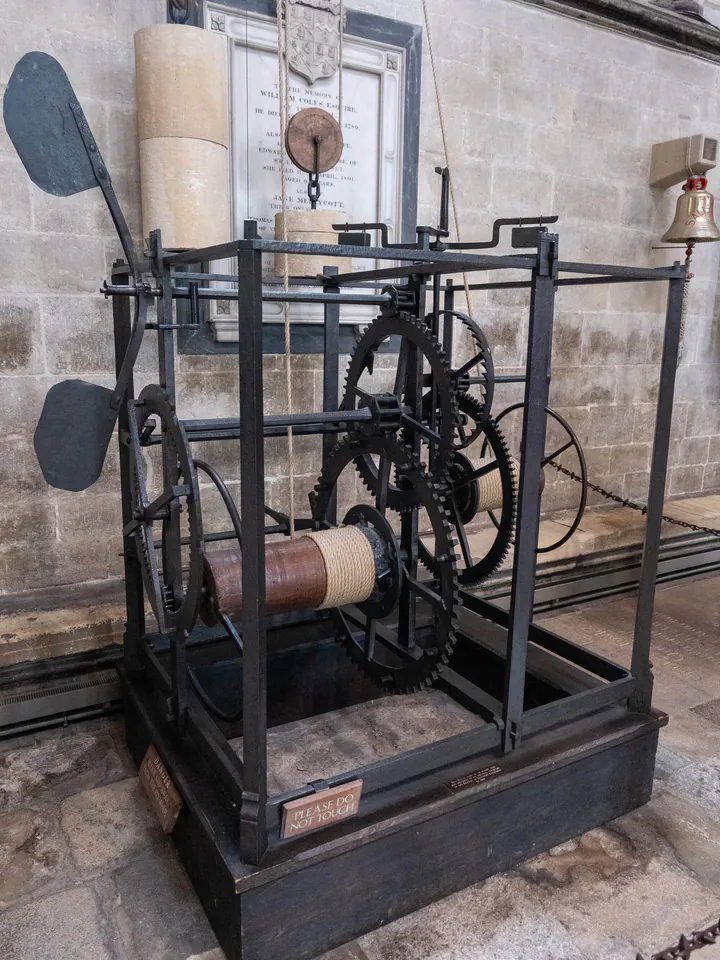
Tucked away on one side of the cathedral is a strong contender for the world’s oldest working clock; an iron mechanism thought to date from 1386. It doesn’t have a dial or hands and was built purely to strike the hour and remind the cathedral’s priests when to pray.
Take some cool reflection photos in the altar and font
Salisbury Cathedral has two excellent photo spots which suggest that someone who works there is really into nice reflections! The Spire Crossing altar from 2024 sits directly underneath the tower and has an octagonal dark glass top which reflects the ornate roof beautifully.
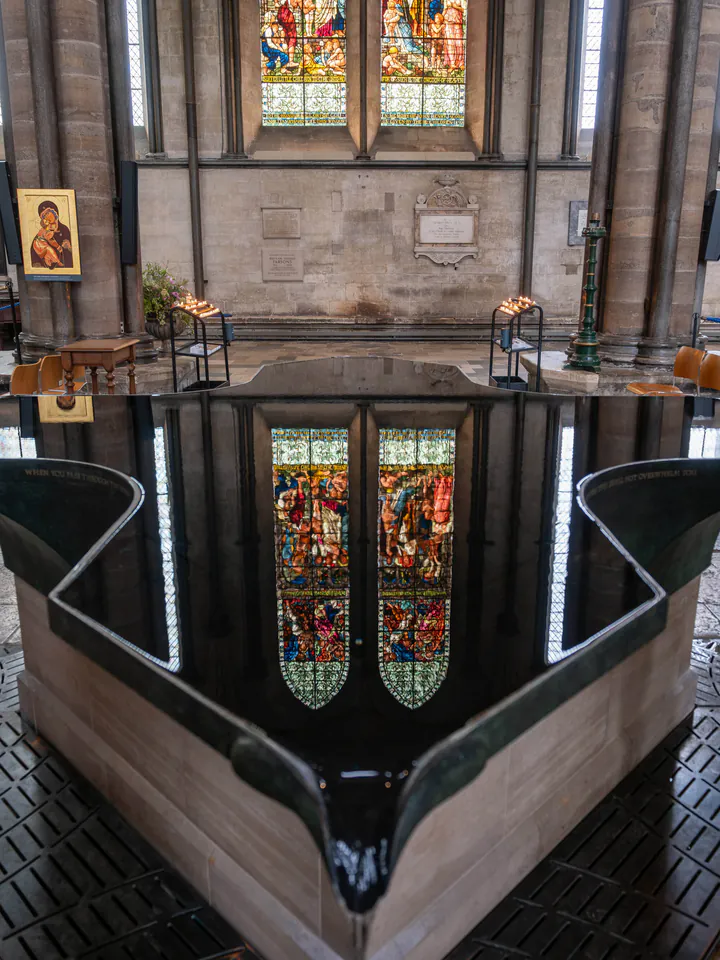
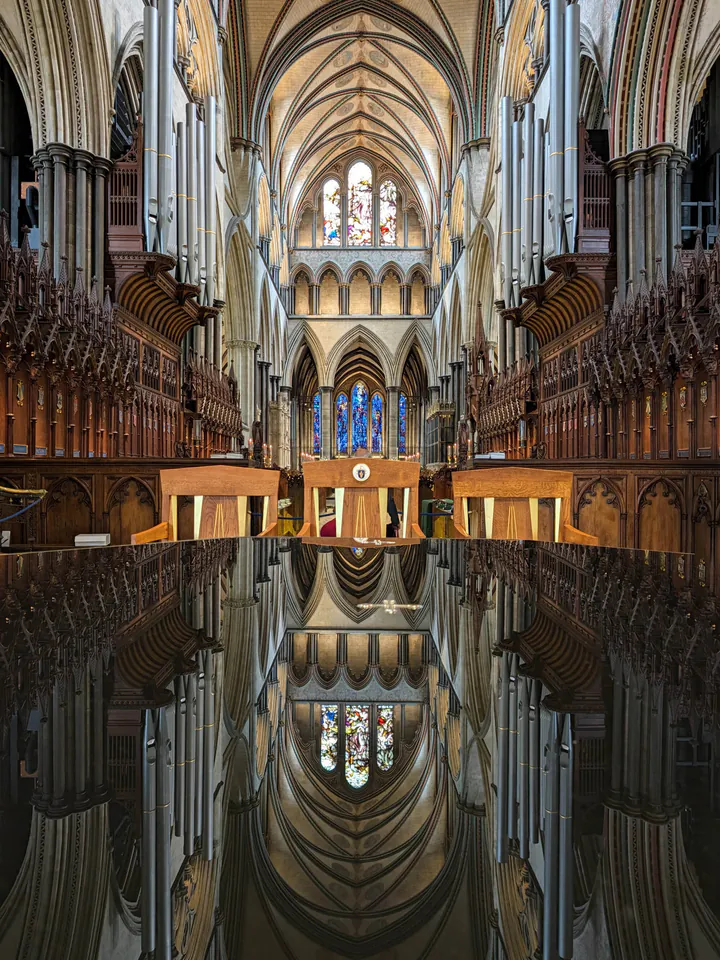
In the middle of the nave, the cathedral font (installed in 2008 to celebrate the 750th anniversary of the cathedral’s original consecration in 1258) is a gorgeous water feature with water flowing into bronze grates in the floor. The surface of the water is lovely and still, meaning that you can get some really nice photos with reflections of the windows.
2. See the attractions in the Cathedral Close
The area around Salisbury Cathedral is the largest cathedral close in Britain, filled with historic buildings around lawns and wooded walks. You’ll enter through one of three historic gates which are locked at night.
There are a few things worth seeing in and around the Cathedral Close, including the best museums in Salisbury.
Salisbury Museum
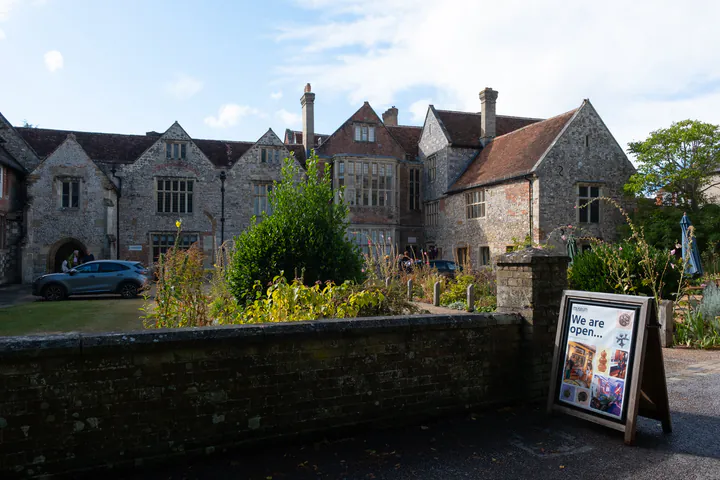
Housed in the King’s House within the Close, the recently refurbished Salisbury Museum is the place for context on everything else you’ll see in and around Salisbury. The collections cover archaeology, Roman and Saxon Salisbury, Stonehenge finds, and local art and history.
Mompesson House
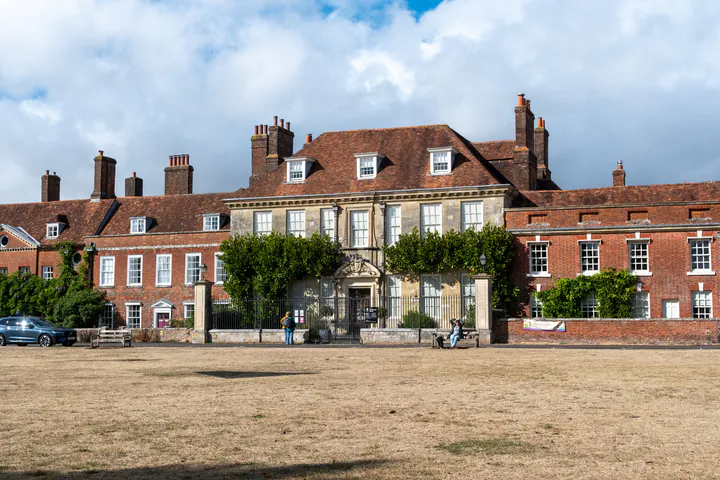
A small but very lovely Queen Anne townhouse tucked into the Close, Mompesson House is run by the National Trust and gives you a glimpse of genteel 18th-century Salisbury life, with period interiors, a walled garden and a tea room (plus a second-hand bookshop for browsing afterwards). The house is beautifully decorated at Christmas.
Arundells
A few doors along in the Close is Arundells, the former home of Sir Edward Heath, the British Prime Minister from 1970-1974. Parts of the house date back to a 13th-century canonry, though the building you see today is largely Queen Anne in style.
Inside you can see paintings by Winston Churchill, Chinese ceramics reportedly linked to Chairman Mao, David Lloyd George’s writing desk, and memorabilia connected to Richard Nixon and Fidel Castro. The two acres of garden run down to the River Avon.
The Rifles Berkshire and Wiltshire Museum
Housed in “The Wardrobe,” a medieval building in the Close that once stored the bishop’s robes, this military museum tells the story of the Berkshire and Wiltshire regiments through uniforms, medals and personal accounts.
The Salisbury Bug Cathedral
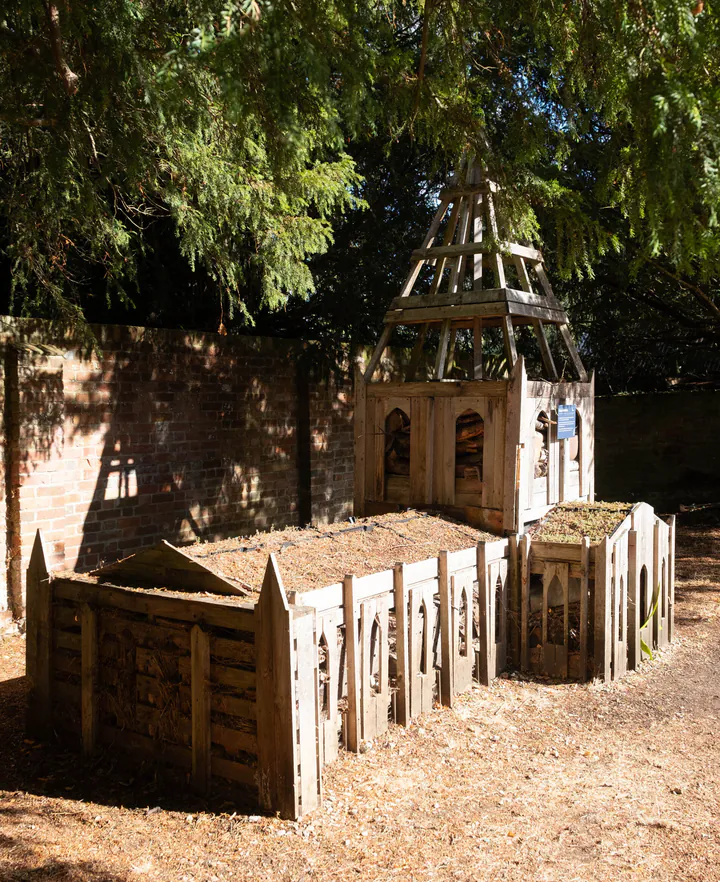
I’m not sure if the Salisbury Bug Cathedral has made it onto any other lists of the best things to do in Salisbury, but I really enjoyed seeing it. It’s just around the corner from the proper cathedral and Salisbury Museum, and is exactly what it sounds like – a giant bug hotel in the shape of Salisbury Cathedral.
3. Walk through High Street Gate
If you’re walking towards the cathedral from the city centre, this is almost certainly how you’ll enter the Cathedral Close, but it was one of my favourite things to see in Salisbury so I’m mentioning it again so you don’t miss it. The High Street Gate is a grand medieval archway, built between 1327 and 1342.
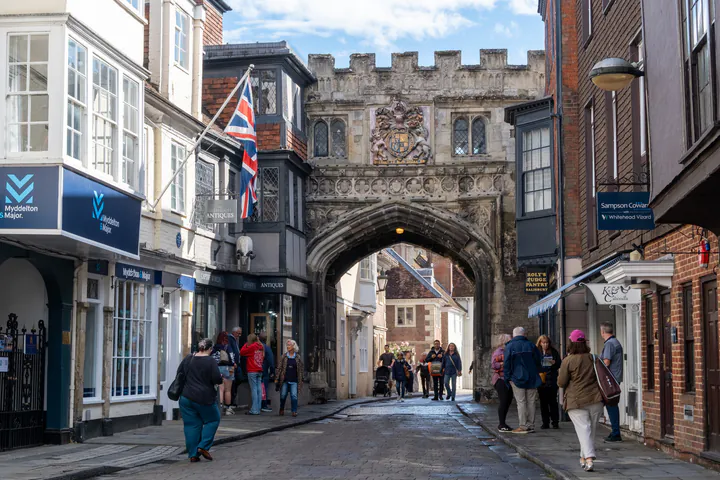
The gate once held a small lock-up jail for anyone who misbehaved within the Liberty of the Close. The Stuart royal arms decorate the more elaborate north face. Like the rest of the Close’s gates, it’s locked at 11pm and reopens at 6am.
4. Visit the Market Place and Charter Market
Salisbury’s compact but lovely historic centre radiates out from the Market Place, which has been the heart of the city for centuries. The Charter Market dates back to 1227, making it one of the oldest markets in Britain, and it’s still held right where it always has been, with around 70 stalls setting up on Tuesdays and Saturdays.
5. See the Poultry Cross
A couple of minutes’ walk from the Market Place, at the junction of Silver Street and Minster Street and right opposite the Haunch of Venison pub, you’ll find the last survivor of Salisbury’s original four medieval market crosses.
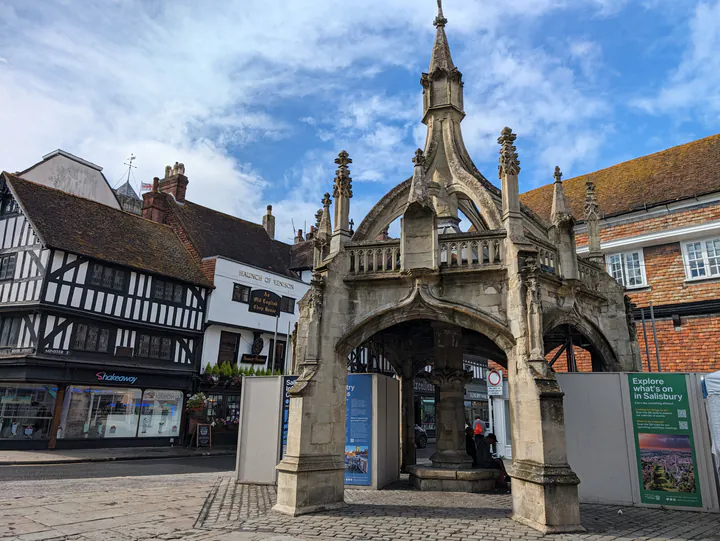
The hexagonal stone structure dates from around 1450, right at the peak of Salisbury’s medieval prosperity. It replaced an earlier timber-framed version that had sheltered poultry traders selling chickens, geese and ducks. There was some scaffolding on it when I visited but it’s still very pretty and worth seeing.
6. See art and eat cake at Fisherton Mill
Fisherton Mill is southern England’s largest independent art gallery, set inside a converted Victorian grain mill built in 1880.
Spread over two floors, it showcases work from more than 200 local artists and craftspeople, alongside artist studios and a posh cafe with extremely delicious cakes.

7. See the Clock Tower
A little further along Fisherton Street, right by the bridge over the Avon, stands a Victorian landmark locals call “Little Ben.” It was built in 1892-93 by Dr John Roberts in memory of his wife Arabella.
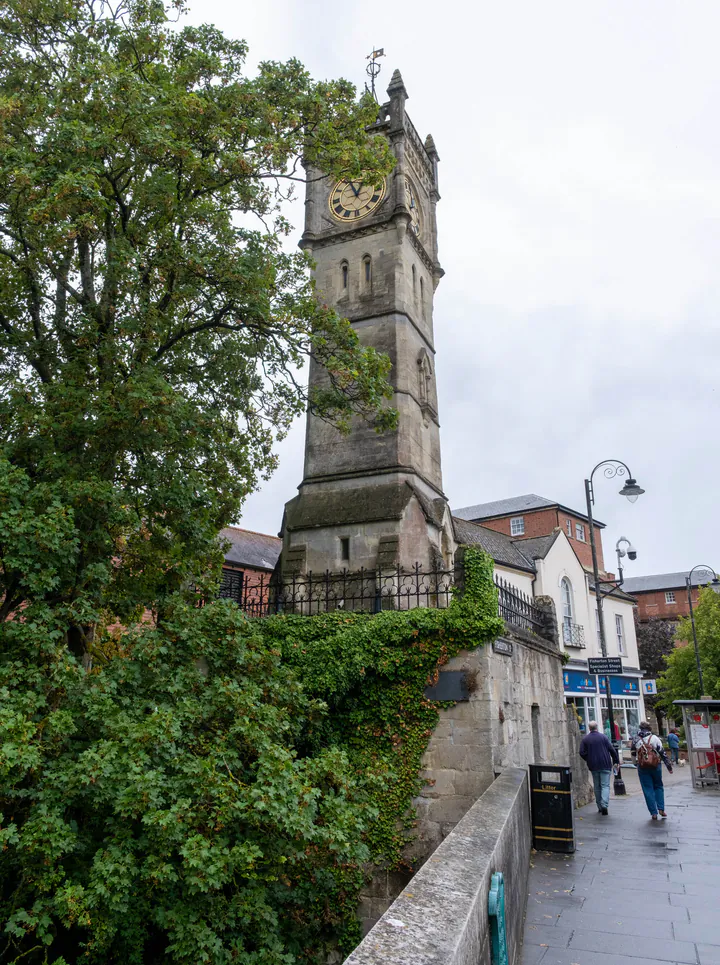
The tower sits on the site of Salisbury’s old county gaol, which opened in 1631 and was condemned and closed in the early 1800s, and a carved stone plate at its base still shows manacles and chains as a reminder of what stood there before.
It’s a local landmark and a really pretty part of the River Avon – look out for the swans and fish in the river.
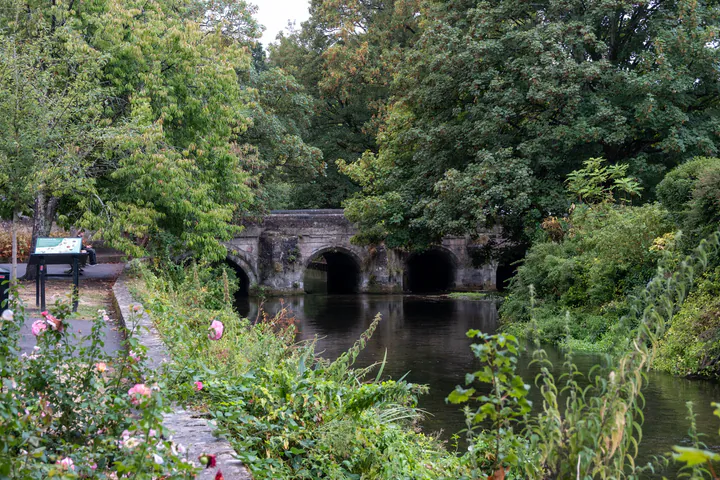
8. Say hello to Paddington
This is just a quick stop near the clock tower. Sat quietly on a bench on Fisherton Street, you’ll find an adorable statue of Paddington Bear eating a marmalade sandwich. He’s one of 23 statues which were installed across the UK to mark the release of the film Paddington in Peru.

9. Relax with wildlife and views at Harnham Water Meadows
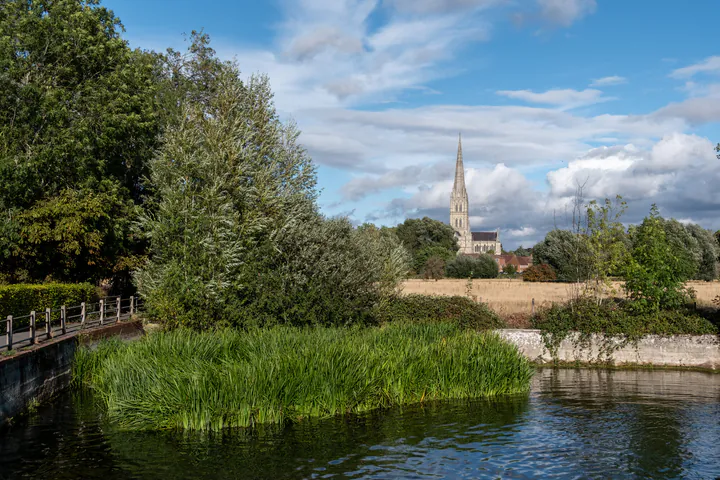
For one of the loveliest things to do in Salisbury, explore the water meadows. The walk out from Queen Elizabeth Gardens along the Town Path, across little wooden bridges over the River Avon and through the flat water meadows is gorgeous on a sunny day.
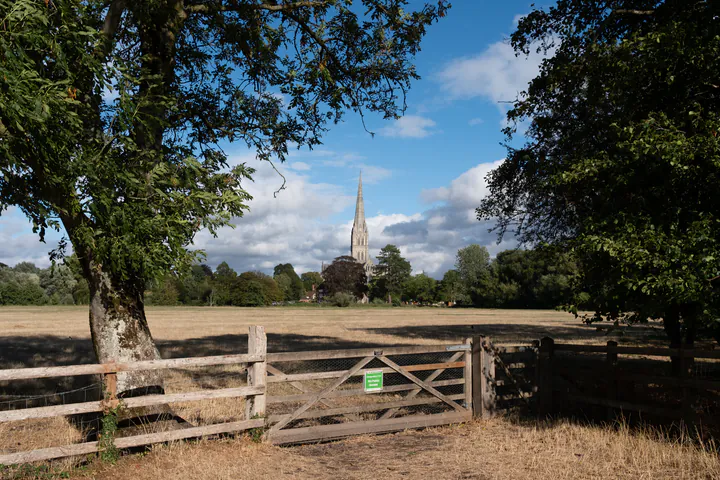
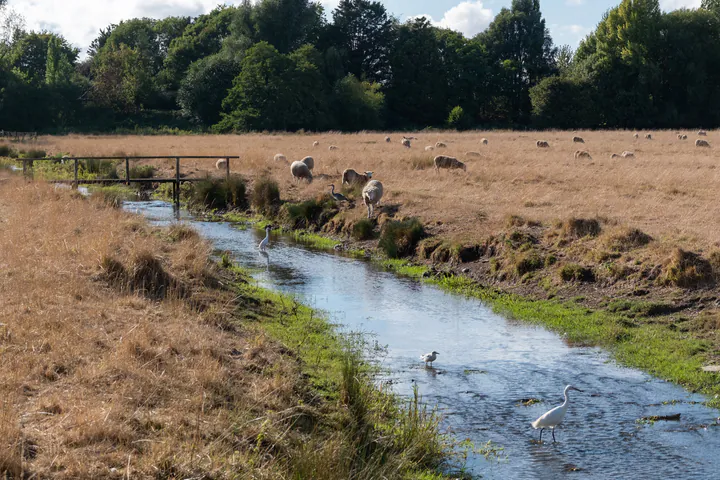
The fields and waterways are full of wildlife (we saw a grey heron and little egrets) and the views of Salisbury Cathedral are stunning. Constable agreed – he painted several views of the cathedral from the water meadows in the 1820s.
The Town Path ends at the Old Mill pub, a former water mill with an 800 year history, a view over the river at the front and a really nice beer garden at the back. When I visited over the August bank holiday there was a beer festival happening, with live music in the garden.
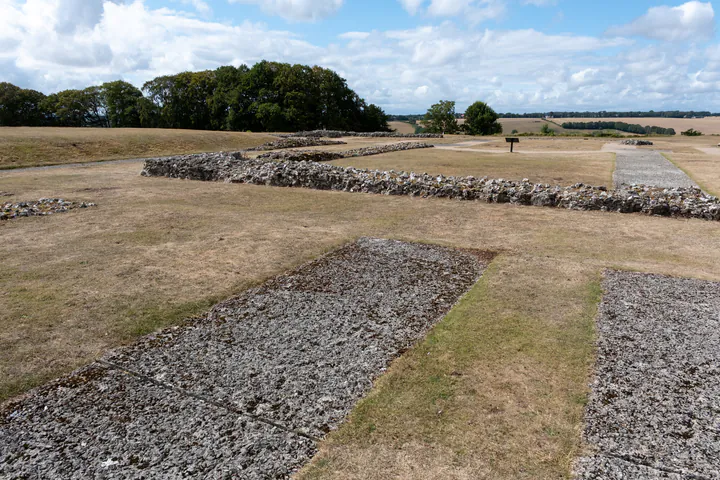
10. See the origins of Salisbury at Old Sarum
Did you know that the current Salisbury Cathedral is the third version? Just north of the modern city, the mighty windswept hill at Old Sarum marks the beginning of the story of Salisbury. It began as one of the largest Iron Age hillforts in England, was later occupied by the Romans, the Saxons, and then by the Normans, who built a castle, royal palace and cathedral all within the earthworks.
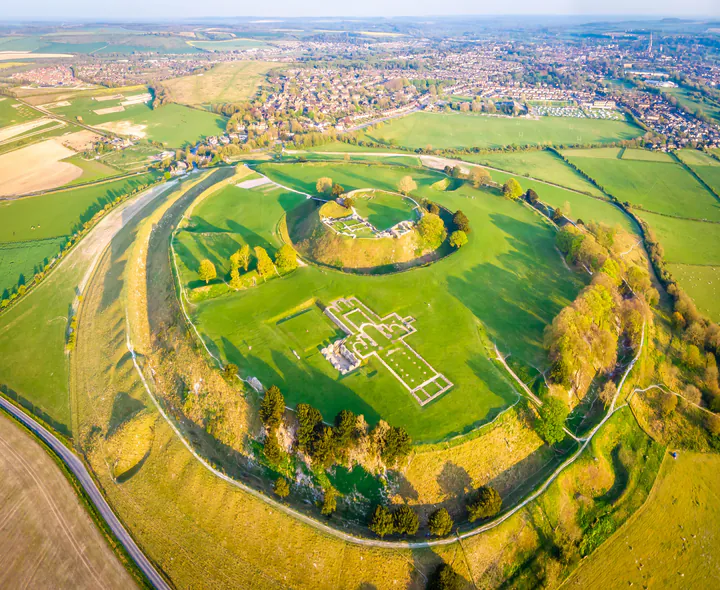
Neither the castle nor the cathedral lasted very long in that spot. The first cathedral was seriously damaged in a storm soon after it opened in 1092 and needed to be rebuilt (cathedral number 2). The clergy moved down to present-day Salisbury in 1226, reportedly after disputes with the castle’s military governors and built cathedral number 3 on the present site. The castle stayed in use into the 14th century.
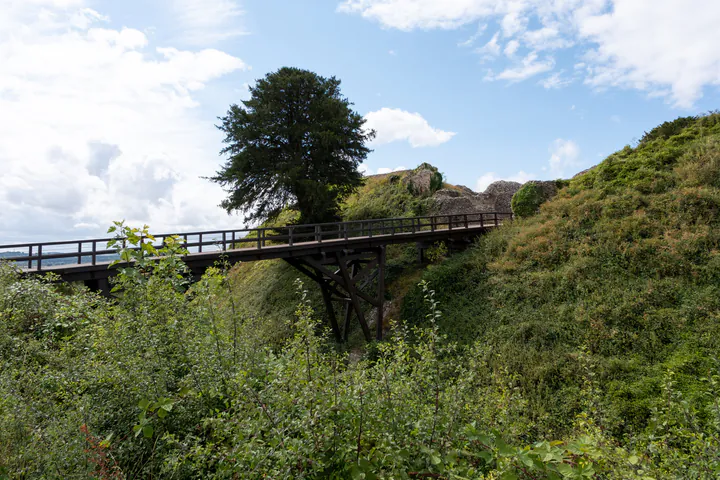
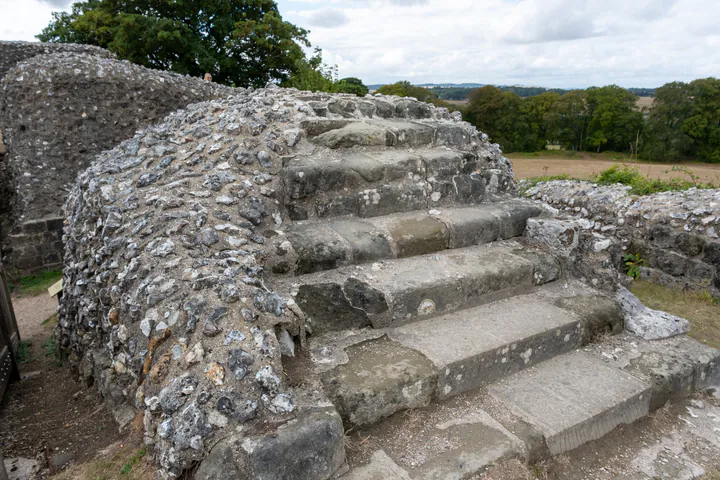
Today the site is operated by English Heritage. You can explore the remains of the castle, look out over Salisbury and the surrounding countryside and see the old cathedral foundations.
11. See the Secret Spitfire Memorial
On your way out to Old Sarum, don’t miss the full-size replica Spitfire that commemorates one of Salisbury’s best-kept World War 2 secrets.
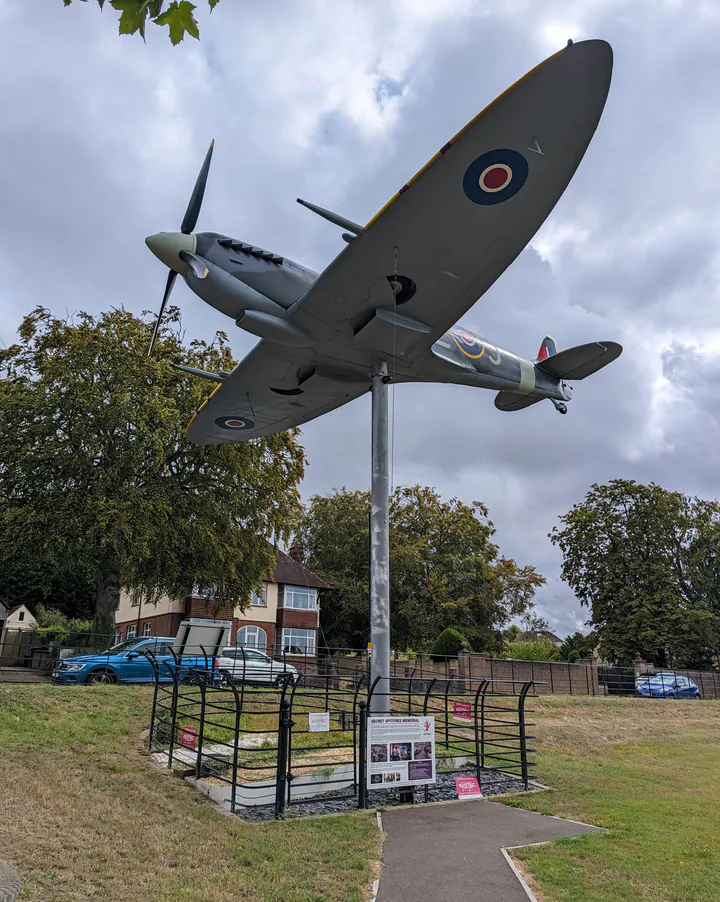
After Spitfire factories in Southampton were bombed in September 1940, production secretly moved to garages and sheds across Salisbury and other nearby cities, where mostly unqualified locals built over 2,000 Spitfires in total secrecy.
A memorial board at the replica Spitfire’s base tells the full story, and there are plaques dotted around the city marking the actual factory sites.
12. Have a pint at one of the UK’s most haunted pubs
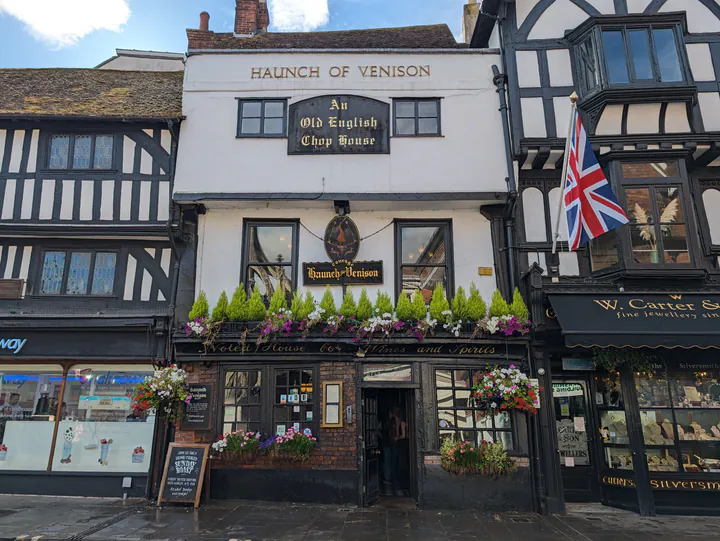
The Haunch of Venison is one of the most haunted pubs in the UK and has a mummified hand (sadly a replica) on display. Winston Churchill and Eisenhower reputedly planned the D-Day landings in the bar. There’s a restaurant upstairs.
Where to eat in Salisbury
Salisbury has two other historic pubs worth a look. The New Inn, on New Street, is a timber-framed building which began life as cottages housing cathedral workers before becoming a pub in the early 1800s. It has a lovely beer garden with views of the cathedral spire and a full food menu including Sunday roasts.
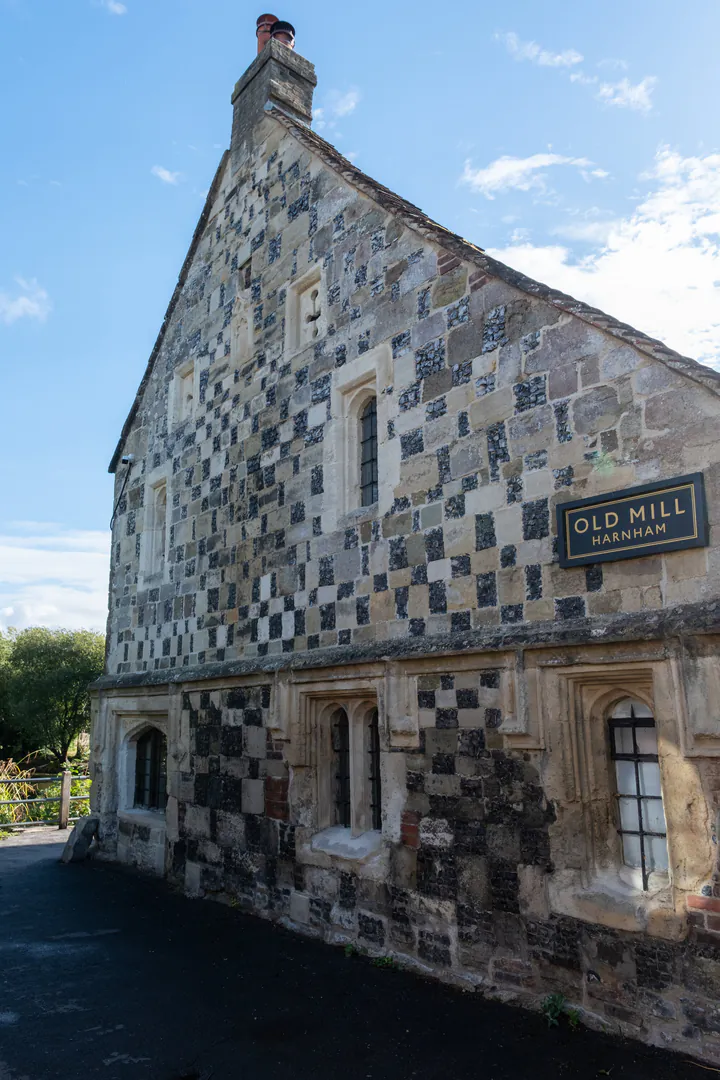
I discovered the Old Mill in Harnham by accident when we went for a walk across the water meadows but it’s well worth a visit either for the beer garden (I do love a beer garden!) or for the food. The outside is very cool, with a check design made of different types of stone – it’s no surprise that it’s Grade I listed.
For lunch we ate in the Salisbury Cathedral Refectory where I had a really delicious thick sweet potato and coconut soup and my partner had a sandwich. I was originally planning to eat at The Orangery which looks so beautiful and has tables along the river, but there was a bit of a queue outside.
For a sit-down evening meal, Anokaa on Fisherton Street is generally considered Salisbury’s best restaurant. It’s an award-winning, contemporary Indian restaurant that’s been going for close to twenty years. It’s very popular so book in advance.
Finally, for something to take away or eat on the go, Reeve the Baker is a proper local institution. The Butcher Row branch has tables outside on the Market Place.
Best time to visit Salisbury
This is the UK, so take any weather-based recommendations with a pinch of salt, but in general spring through to early autumn should be a nice time to visit Salisbury.
We’ve just had an incredibly hot and dry summer in England (I arrived on the day they had the first rain for 3 months, so that’s why the grass around the cathedral looks so brown in my photos), so check the forecast before you arrive, but the long daylight hours are great for sightseeing.
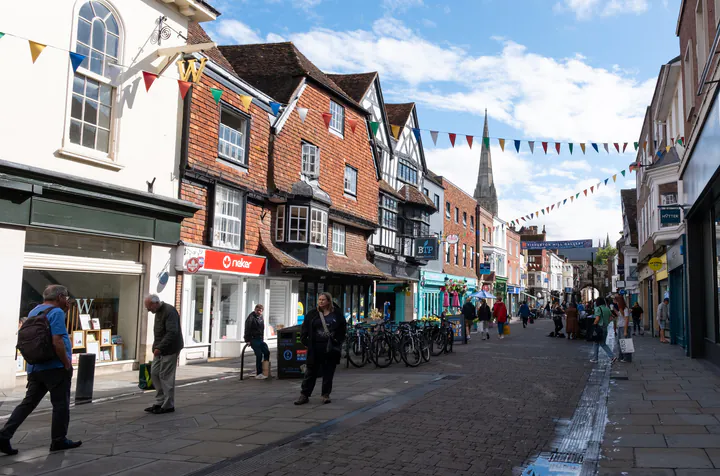
My trip to Stonehenge and Salisbury was in late August, but I’ve been looking at pictures of Salisbury at Christmas and it looks so pretty. There’s a weekend Christmas market, decorated streets and candlelit services at the cathedral – I’ll have to go back!
Getting to Salisbury and getting around
Salisbury has good rail links to London, with direct trains from London Waterloo taking around 90 minutes. Salisbury is also the nearest station to Stonehenge. I drove into Salisbury and used the long stay car park behind Sainsbury’s.
Once you’re there, Salisbury is compact and very walkable. The Market Place, the Cathedral Close and most of the other things to do in Salisbury in this list are within about a 15-20 minute walk of each other. The exceptions are the Secret Spitfire sculpture and Old Sarum, which are just over a mile and a half to two miles from the centre. They’re on the same road though, both have car parks and they’re on a frequent bus route.
How long do you need to visit Salisbury
I have to confess that I only really visited Salisbury because it is so close to Stonehenge, but I was really glad I did – it’s a lovely city with lots of interesting things to do. Because of that, I only had one full day in Salisbury looking around all the sights before my Stonehenge Stone Circle Experience the following morning.
The good news is that one day in Salisbury is the perfect length of time to visit all the best things to do in the city. With one full day, you can easily see Salisbury Cathedral, the Cathedral Close, visit a couple of museums and wander around the city centre with a few breaks for lunch, tea and cakes.
If you want to visit all the museums and Old Sarum in depth, then you might need an extra half day. I did actually end up going to Old Sarum and calling in at the Secret Spitfire memorial after Stonehenge the next day as it worked better for my itinerary.
Final thoughts
I feel like Salisbury being so close to Stonehenge means it gets a bit overlooked, or tagged on to a Stonehenge visit, but it’s well worth a trip in its own right. Salisbury Cathedral is incredible and full of interesting places to see, the city centre is historic and really pretty, and I really loved the water meadows which are something special to Salisbury.
Have you been to Salisbury? Let me know your favourite spots in the comments.


If you found this article helpful, you can support my site and see more of my travel guides in your Google results by adding Helen on her Holidays as a preferred source on Google.


Leave a comment